Planning cargo from Mombasa to an inland East African destination
How importers can think about the handoffs between vessel arrival, cargo release, road movement and final delivery.
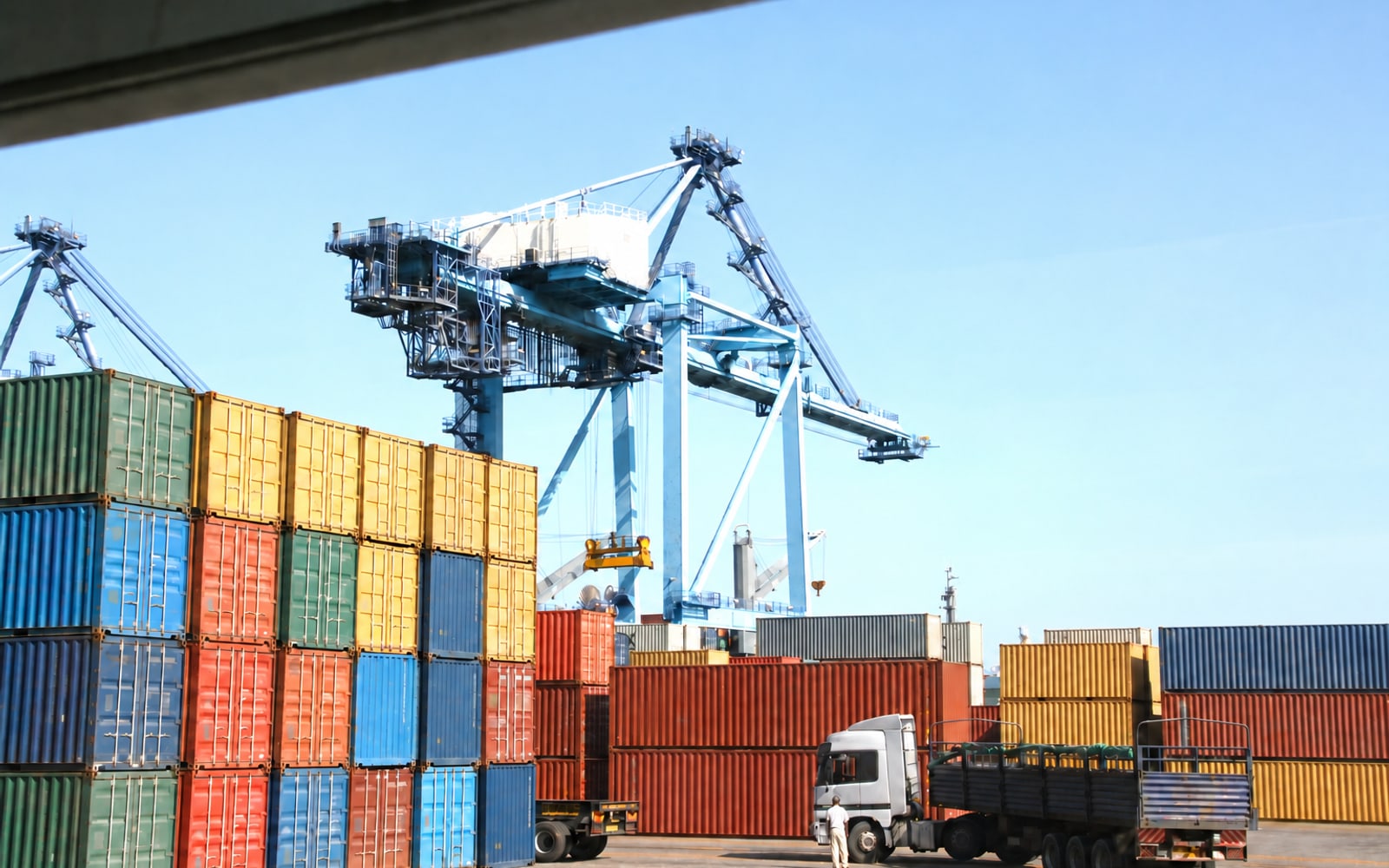
A port-to-inland movement is a sequence, not a single event. For cargo entering through Mombasa, the working plan normally needs to connect carrier documents, arrival information, customs requirements, cargo release, container or loose-cargo handling and the inland transport leg.\n\nThe final destination matters early. A Nairobi delivery has a different road and access profile from a cross-border movement toward Uganda or another regional market. The consignee, import documents and border sequence must align with the intended route.\n\nContainerized cargo also brings equipment timing and return considerations that should be understood from the applicable carrier terms. For LCL cargo, the consolidation and release handoffs may differ.\n\nPreparation reduces avoidable uncertainty. Share accurate cargo records before arrival, confirm who is responsible for each document, and ensure the destination can receive the cargo and vehicle type planned.\n\nOperational conditions and authority requirements can change, so the final movement should always be confirmed against current shipment information.
Important: This article is general information, not customs, legal or regulatory advice. Requirements should be checked for the specific goods, route and authorities involved.